
Now Reading: Welding Helmet Cheater Lens & Magnifying Lens: Complete Guide (2026)
-
01
Welding Helmet Cheater Lens & Magnifying Lens: Complete Guide (2026)

Welding Helmet Cheater Lens & Magnifying Lens: Complete Guide (2026)
Welding is an art that combines precision, skill, and safety. Every welder knows that vision is one of the most critical aspects of performing a good weld. Whether you are joining thick steel plates, repairing thin sheet metal, or performing intricate TIG welds, being able to see the weld puddle clearly makes all the difference between a clean, strong weld and a poor, unsafe joint.
This is where accessories like cheater lens (also called magnifying lenses) come into play. For many welders-especially those dealing with vision challenges, fine detail work, or aging eyesight-a cheater lens can dramatically improve clarity, reduce strain, and ultimately improve weld quality.
In this article, we’ll dive deep into everything you need to know about welding helmet cheater lenses and magnifying lenses-what they are, how they work, why you might need one, how to choose the right one, and how to properly install and use them.
What is a Welding Helmet Cheater Lens?
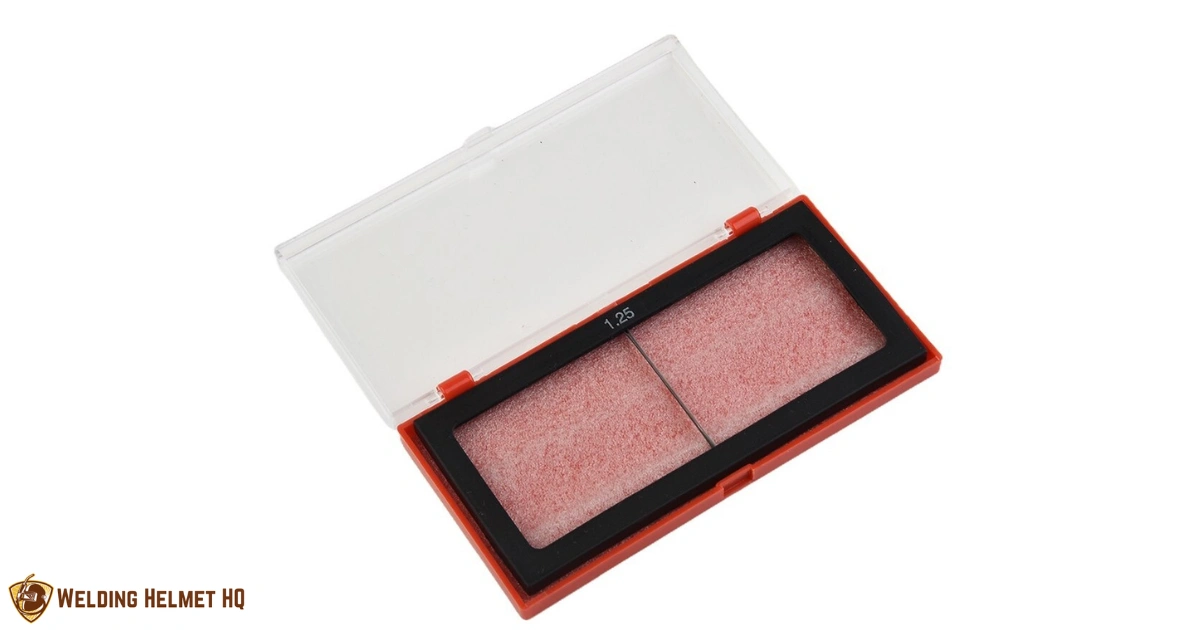
A welding helmet cheater lens is essentially a small magnifying lens that fits inside your welding helmet, right behind the protective filter lens. Its primary purpose is to enhance visibility by magnifying the welding area, allowing welders to see the arc, puddle, and joint more clearly.
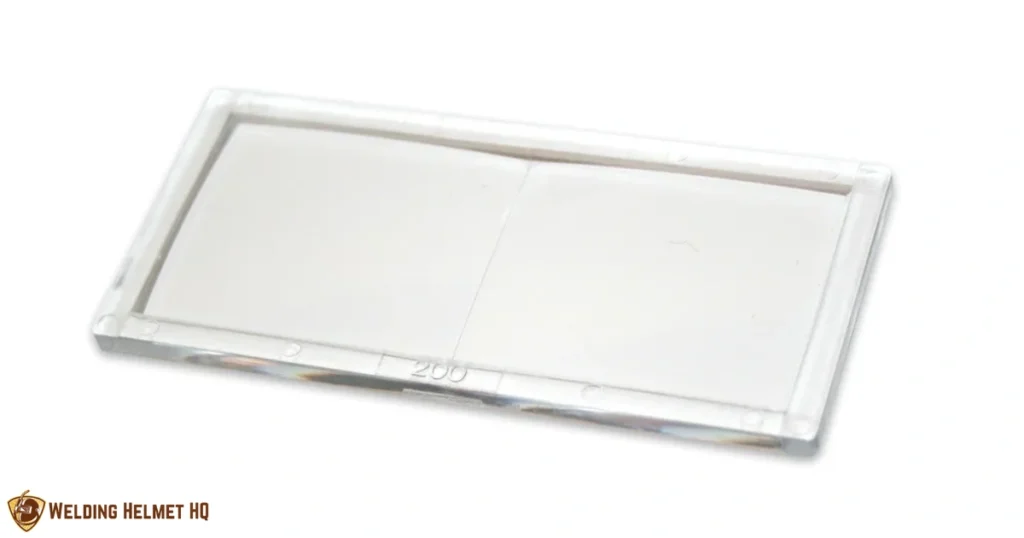
Many welders compare it to having a built-in pair of reading glasses inside your welding helmet. For welders who struggle with farsightedness, astigmatism, or general age-related vision decline, a cheater lens can make welding much more comfortable and precise.
Key Features of a Cheater Lens:
- Magnification power (usually ranges from +0.75 to +2.50 diopters).
- Compact size to fit standard welding helmet slots.
- Made of polycarbonate or glass for clarity and durability.
- Easy to install-most helmets have built-in slots or clips for them.
Difference between Cheater Lens and Magnifying Lens
The terms cheater lens and magnifying lens are often used interchangeably in welding. Technically, they mean the same thing-both refer to the optical lens that magnifies your welding view. However, some welders make small distinctions:
- Cheater Lens: Often refers to lenses used for corrective purposes, like a pair of reading glasses for inside the helmet.
- Magnifying Lens: Emphasizes the function of enlarging the weld puddle for precision work, not necessarily only for vision correction.
For practical purposes, you can think of both as the same accessory.
Why use a Cheater or Magnifying Lens in Welding Helmets?
1. Improved Visibility
One of the biggest challenges in welding is clearly seeing the weld puddle and arc. Even with auto-darkening helmets, low light, sparks, and smoke can make it difficult. A magnifying lens enhances clarity, allowing you to maintain focus on your weld bead.
2. Reduced Eye Strain
Without proper vision correction, welders may squint or lean in too close to their work. Over time, this can cause fatigue, headaches, and even long-term vision problems. A cheater lens helps prevent these issues.
3. Better Precision in Welds
For TIG welding, where accuracy is crucial, magnification ensures that the electrode is positioned correctly and that the filter rod is applied with exact precision. Small errors can make or break a TIG weld, so visibility matters.
4. Accessibility for Older Welders
As welders age, presbyopia (the loss of near focusing ability) becomes common. Instead of switching between welding and reading glasses, cheater lenses allow older welders to continue working effectively.
5. Safety Benefits
Poor visibility increases the risk of accidents, misaligned welds, and exposure to harmful UV/IR rays from arc strikes. A cheater lens allows welders to maintain proper positioning without getting too close, improving safety.
Who Should Consider Using a Welding Helmet Magnifying Lens?
- Welders with Vision Problems: Anyone who wears reading glasses or struggles with close-up work can benefit.
- Precision Welders: TIG welders, pipe welders, and those working on intricate projects.
- Older Welders: Aging eyes often lose sharpness, making magnification essential.
- Learners and Beginners: Students in welding schools often struggle with visibility; a cheater lens makes learning easier.
- Production Welders: Those working long shifts benefit from reduced eye strain and fatigue.
Types of Cheater Lenses for Welding Helmets
Cheater lenses come in different shapes, materials, and magnification strengths. Understanding these differences helps you choose the right one for your needs.
1. Based on Material
- Glass Lenses: Offer superior clarity and scratch resistance but may be heavier and more expensive.
- Polycarbonate Lenses: Lightweight, affordable, and impact-resistant, but more prone to scratches.
2. Based on Magnification Power
Cheater lenses are available in different diopters (the same measurement used in prescription glasses). Common options include:
- +0.75 – Slight magnification, suitable for mild vision issues.
- +1.00 to +1.50 – Ideal for most welders needing moderate vision correction.
- +2.00 to +2.50 – Strong magnification, often used for detailed work or welders with more severe near-vision loss.
3. Based on Compatibility
- Helmet-specific Lenses: Designed to fit a certain brand/model (Lincoln, Miller, ESAB, etc.).
- Universal Lenses: Fit into multiple helmet types with standard slots.
Installation of a Welding Helmet Cheater Lens
Installing a cheater lens is typically simple. Most helmets include slots or clips behind the main protective filter where the lens slides in.
General Steps:
- Remove the helmet lens cover.
- Locate the cheater lens slot behind the main filter.
- Slide in the cheater lens until it sits securely.
- Replace the protective lens cover.
- Test the helmet by striking an arc to ensure the lens provides the needed clarity.
Choosing the Right Magnification Power
One of the most common questions welders have is: “What strength of cheater lens do I need?”.
The answer depends on your vision needs and type of welding work.
1. Start with Your Reading Glasses Power
If you already use reading glasses, the same strength often works well for your cheater lens. For example:
- If you use +1.50 reading glasses, start with a +1.50 cheater lens.
- If you sometimes need slightly more magnification for fine detail, you might try +2.00.
2. Match Lens to Welding Type
- MIG Welding: Usually requires less magnification since weld puddles are larger. +1.00 to +1.50 works well.
- TIG Welding: Demands precision. Welders often prefer +1.50 to +2.50 for detailed work.
- Stick Welding: Lower magnification is often enough, as puddles are easier to see.
3. Consider Trial and Error
Not every welder’s eyes are the same. Sometimes, welders buy two or three different powers and test them until they find the most comfortable option.
Pros and Cons of Using a Welding Helmet Cheater Lens
Like any tool, cheater lenses have both advantages and disadvantages.
Advantages
- Better Visibility – Clearer view of the weld puddle, electrode, and joint.
- Reduced Strain – Prevents squinting, headaches, and neck strain from leaning in.
- Extended Career for Older Welders – Lets welders with vision decline keep working effectively.
- Improved Safety – Helps keep a safe distance from the arc without losing clarity.
- Cost-Effective – Must cheaper than getting a prescription safety lens.
Disadvantages
- Limited Field of Vision – Magnification sometimes creates a narrower focus area.
- Lens Fogging or Dust – Requires cleaning more often, especially in humid environments.
- Not Custom Prescription – Works well for general vision correction but won’t replace complex eyeglass prescriptions.
- Potential Distortion – At higher diopters (+2.00 or more), some welders report slight distortion around the edges.
Cheater Lens vs Prescription Welding Glasses
Some welders debate whether to use cheater lenses or custom prescription safety glasses inside the helmet. Let’s compare:
| Feature | Cheater Lens | Prescription Safety Glasses |
|---|---|---|
| Cost | Low ($10-$25) | High ($100-$400) |
| Ease of Use | Fits inside helmet | Must wear under helmet |
| Comfort | No extra weight on face | Can feel bulky under helmet |
| Customization | Limited to standard diopters | Fully customized |
| Availability | Widely available | Must be ordered with prescription |
Verdict: For most welders, a cheater lens is the most affordable and practical option. Prescription safety glasses are only necessary for welders with complex eye conditions.
How to Maintain and Clean Your Cheater Lens
Magnifying lenses sit inside the helmet, but they still gather dust, smoke residue, and sweat moisture over time. Proper cleaning ensures clarity and longevity.
Cleaning Steps:
- Remove the lens from the helmet.
- Use a microfiber cloth to wipe away dust.
- For heavy dirt, use warm water with mild soap.
- Avoid harsh cleaners like acetone or ammonia-they can damage coatings.
- Dry completely before reinstalling.
Tips for Long-Lasting Lenses:
- Always keep a spare lens in case one gets scratched during work.
- Store your helmet in a clean, dry place when not in use.
- Replace the lens if visibility becomes blurry from scratches.
Common Mistakes Welders Make with Cheater Lenses
- Choosing Too Strong a Magnification – This can cause eye strain and distortion instead of improving clarity.
- Installing Lens Incorrectly – Some welders put it in front of the filter instead of behind, leading to poor performance.
- Not Cleaning Regularly – A dirty cheater lens can make visibility worse, defeating its purpose.
- Ignoring Helmet Compatibility – Not all lenses fit all helmets; always check before buying.
- Using Instead of Prescription Glasses When Needed – Cheater lenses help, but they cannot replace proper prescription eyewear for serious vision issues.
Welding Situations Where a Cheater Lens is Most Useful
- Pipe Welding – When working on root passes inside pipe joints, clarity is critical.
- Thin Sheet Welding – Small puddles need magnification for precision.
- TIG Welding on Aluminum or Stainless Steel – Bright arcs and reflective surfaces demand accuracy.
- Overhead Welding – A clearer view reduces awkward head positioning.
- Long Shifts in Production Welding – Prevents fatigue over time.
Case Study: A Welder’s Experience with Cheater Lenses
Many welders report dramatic improvements after using magnifying lenses.
For example, Mark, a 52-year-old TIG welder, had been struggling with eyesight decline. His weld beads started showing inconsistency because he had trouble focusing on the puddle. After installing a +1.50 Lincoln cheater lens in his helmet, he immediately noticed sharper visibility. Within days, his weld quality improved, and he reported less eye strain at the end of long shifts.
This example highlights how a small, inexpensive tool can make a huge difference in a welder’s productivity and comfort.
Advanced Tips for Using Cheater Lenses
Even though cheater lenses are simple accessories, welders can maximize their benefits with a few advanced techniques.
1. Combine with High-Quality Auto-Darkening Helmets
A magnifying lens alone won’t solve poor visibility if your helmet’s filter is outdated or has low optical clarity. Pairing a cheater lens with a high-rated (1/1/1/1 optical clarity) auto-darkening filter gives welders the sharpest possible view.
2. Use the Right Lighting in the Workspace
Supplemental lighting (such as LED task lights) reduces shadows and enhances what you see through the lens. The combination of magnification and proper lighting provides a significant visibility boost.
3. Adjust your Welding Position
Sometimes welders lean too close, assuming they need to get nearer to see clearly. With a magnifying lens, you can maintain a safer distance while still seeing details. This prevents burns and improves ergonomics.
4. Keep Spare Lenses in Different Powers
Welders who perform different types of work (MIG one day, TIG the next) often keep multiple diopter strengths. Switching between +1.00, +1.50, and +2.00 lenses ensures the best match for the task.
5. Regularly Check for Scratches and Fogging
Scratched or fogged lenses reduce clarity and can actually cause eye fatigue. Replace them when vision starts to decline.
Alternatives to Cheater Lenses
Although cheater lenses are the most popular solution, they’re not the only option. Welders with specific needs may consider these alternatives:
1. Prescription Safety Glasses
- Custom-made to match your exact vision needs.
- Can be worn under most helmets.
- More expensive, but worth it for welders with strong or complex prescriptions.
2. Magnifying Safety Goggles
- Lightweight goggles with built-in magnification.
- Provide both impact protection and visual clarity.
- Suitable for welders who switch frequently between welding and grinding.
3. Digital Welding Helmets
- Some premium helmets (like the Optrel Crystal or ESAB Sentinel A60) offer advanced optical clarity close to natural vision.
- May reduce the need for cheater lenses altogether.
- Expensive but beneficial for professional welders.
4. Clip-On Magnifiers
- Attach directly to regular safety glasses or the inside of a helmet.
- Inexpensive and removable.
- Not as stable as built-in cheater lenses.
Buyer’s Guide: How to Pick the Best Cheater Lens?
When purchasing your welding helmet magnifying lens, consider these factors:
1. Magnification Strength
- Match your reading glasses or test different diopters.
2. Material
- Polycarbonate = lightweight and cheap.
- Glass = higher clarity and scratch resistance.
3. Helmet Compatibility
- Ensure the lens fits your specific brand and model.
4. Budget
- Standard lenses cost $10-$20.
- Premium optical-grade lenses may cost $30+.
5. Work Type
- Precision TIG = higher magnification.
- General fabrication = moderate magnification.
Real-World Example: Productivity Gains
A welding company that employed multiple welders over the age of 40 introduced cheater lenses as a standard tool. Within three months, supervisors noticed:
- Fewer weld reworks due to better visibility.
- Reduced downtime as welders no longer struggled to see the joint.
- Higher morale, since older welders felt more confident in their ability to perform high-quality work.
This case illustrates that a small $15 investment per helmet can yield thousands of dollars in productivity improvements.
Final Thoughts
The welding helmet cheater lens (or magnifying lens) may be one of the simplest and most cost-effective tools a welder can use. Whether you’re a seasoned professional with decades of experience or a beginner just starting to practice beads, being able to see clearly is the foundation of welding success.
- For welders with aging eyesight, it extends careers.
- For precision welders, it provides sharper accuracy.
- For learners, it reduces frustration and speeds up skill development.
If you’ve been struggling with vision inside your welding helmet, investing in the right cheater lens could transform your welding experience overnight.
Frequently Asked Questions (FAQs)
What size are welding helmet cheater lenses?
Most come in 2″ x 4.25″ (standard size), but some helmets require custom-fit lenses. Always check your helmet manual.
Do cheater lenses work with all welding helmets?
Not all helmets have slots for cheater lenses. Check compatibility before buying. Many modern helmets from Lincoln, Miller, and ESAB are designed to accept them.
Can I wear glasses with a cheater lens?
Yes, but it’s usually unnecessary. If you wear reading glasses, you can swap them for a cheater lens inside your helmet to avoid bulkiness.
Will a cheater lens make my welds stronger?
Indirectly, yes. The lens doesn’t change weld strength but improves precision and accuracy, which reduces welding mistakes.
Are cheater lenses safe for all types of welding?
Yes. They sit behind the main protective lens, so they do not affect UV/IR protection. Safety is not compromised.
How much do welding helmet cheater lenses cost?
Typically $10 to $25, depending on brand and material. Premium glass lenses may cost more.
How long do they last?
With proper care, a cheater lens can last 6 months to 2 years. Frequent replacement may be needed if working in dusty or high-scratch environments.