
Now Reading: Welding helmet with Respirator Explained: Why You Need One and How to Choose?
-
01
Welding helmet with Respirator Explained: Why You Need One and How to Choose?

Welding helmet with Respirator Explained: Why You Need One and How to Choose?
Welding is one of the most critical trades in the world of construction, manufacturing, shipbuilding, automotive repair, and heavy industry. However, while welding produces strong bonds and structures, it also generates a range of hazards: ultraviolet (UV) and infrared (IR) radiation, sparks, molten metal, flying debris, and, perhaps most dangerously, toxic welding fumes.
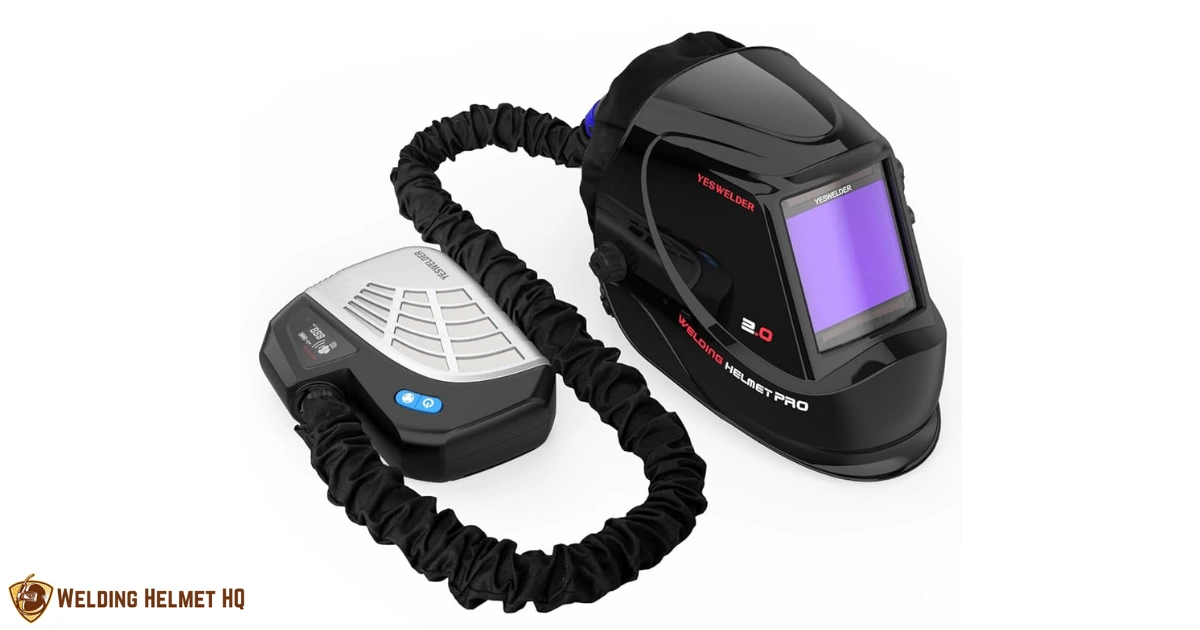
This is where a welding helmet with respirator comes into play. Unlike traditional welding helmets, which only protect your face and eyes, these specialized helmets also integrate respiratory protection. They filter harmful fumes, provide clean air, and ensure welders can work safely without compromising on comfort or vision.
In this guide, we’ll explore why welding helmets with respirators are so important, how they work, the different types available, their features, and how to choose the best one for your needs. By the end of this article, you’ll have a comprehensive understanding of this vital piece of protective equipment.
Why do Welders Need Respiratory Protection?
Welding produces fumes and gases that can be extremely hazardous when inhaled. The health risks of prolonged exposure include:
- Metal Fume Fever – Often caused by inhaling zinc oxide fumes during galvanized steel welding. It can feel like having the flu, with symptoms like fever, chills, nausea, and headaches.
- Chronic Respiratory Illnesses – Long-term exposure can lead to bronchitis, asthma, or reduced lung function.
- Toxic Metal Exposure – Welding stainless steel can release hexavalent chromium, a known carcinogen. Other metals like nickel, manganese, and lead are equally harmful.
- Ozone and Nitrogen Oxides – Welding arcs can generate gases that irritate the lungs and cause breathing issues.
- Silica Dust & Other Contaminants – In certain environments, additional dust and particulates may be present alongside welding fumes.
Without respiratory protection, a welder may experience both short-term and long-term health problems. That’s why helmets with respirators are not just optional-they are essential.
What is a Welding Helmet with Respirator?
A welding helmet with a respirator is a hybrid piece of personal protective equipment (PPE) that combines two safety solutions in one:
- Auto-Darkening Welding Helmet: Protects the eyes and face from UV/IR radiation, sparks, and spatter.
- Respiratory System: Filters or supplies clean air to the welder, preventing inhalation of harmful fumes and gases.
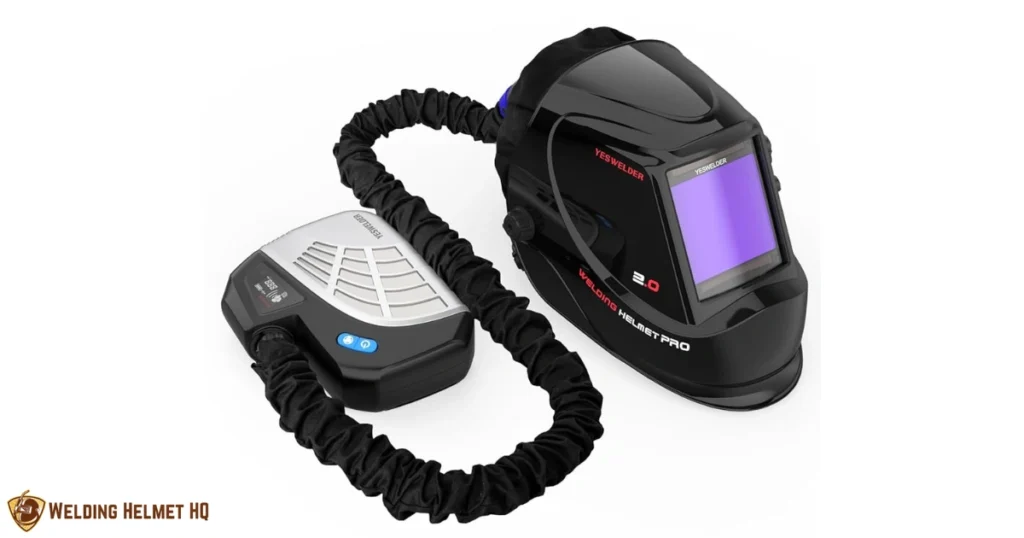
These helmets come in different designs, from Powered Air Purifying Respirators (PAPR) to Supplied Air Respirators (SAR), depending on the work environment and required level of protection.
Types of Welding Helmets with Respirators
1. Powered Air-Purifying Respirator (PAPR) Helmets
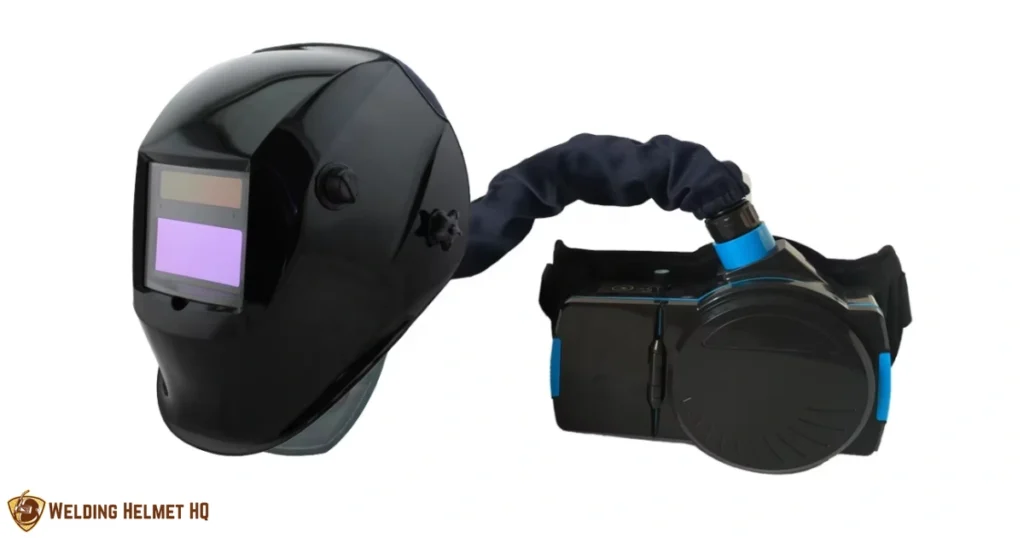
- Equipped with a battery-powered blower unit that pulls in surrounding air, filters it through cartridges, and delivers clean air into the helmet.
- Ideal for most industrial welding environments.
- Benefits: Lightweight, portable, and effective against fumes and particulates.
2. Supplied Air Respirator (SAR) Helmets
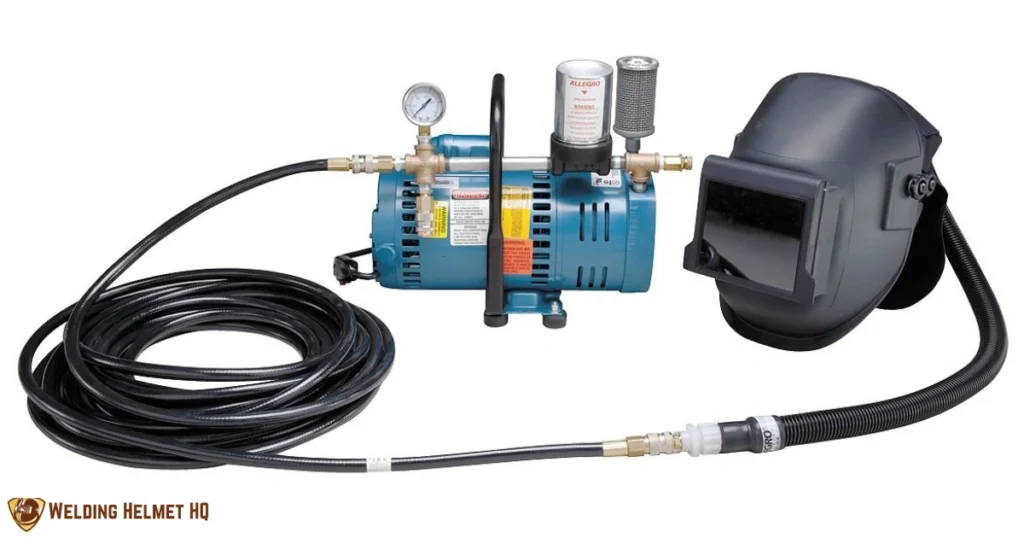
- Connected to an external clean air source, often via a hose.
- Ensures a steady supply of uncontaminated air, regardless of the environment.
- Benefits: Provides the highest level of protection in highly contaminated areas.
- Downsides: Less mobility due to hose connection.
3. Disposable Respirator-Integrated Helmets
- Incorporate replaceable or disposable masks inside the welding helmet.
- Less bulky than PAPR or SAR systems, but also less protective.
- Better for occasional welding rather than continuous industrial use.
Key Features to Look For
When selecting a welding helmet with a respirator, pay close attention to these features:
1. Respiratory Protection Rating
- Check for standards like NIOSH approval (U.S.) or EN 12941/12942 (Europe).
- High-efficiency particulate filters (HEPA or P100) are recommended.
2. Auto-Darkening Filter (ADF)
- Variable shade range (usually 9-13) for different welding processes.
- Fast switching time (1/10,000 second or faster).
- Sensitivity and delay controls for customization.
3. Comfort and Fit
- Lightweight design reduces neck strain.
- Adjustable headgear with padding for long shifts.
- Airflow should not fog up the lens or cause irritation.
4. Battery Life & Power Options
- PAPRs are battery-powered-longer runtime means fewer interruptions.
- Rechargeable lithium-ions batteries are preferred.
5. Airflow Rate
- Adjustable airflow helps welders stay comfortable in hot conditions.
- Typical PAPR systems deliver 170-220 liters per minute (LPM).
6. Durability & Build Quality
- High-impact resistant shell to withstand sparks and debris.
- Flame-resistant materials.
7. Weight Distribution
- Balanced helmets reduce fatigue and improve wearability.
8. Clear Grinding Mode
- Many helmets feature a grinding mode for switching tasks without removing PPE.
Benefits of Using Welding Helmets with Respirators
- Enhanced Safety: Protects against both visible hazards (sparks, UV) and invisible dangers (fumes, gases).
- Improved Comfort: Clean, filtered airflow reduces fatigue and heat stress.
- Compliance: Meets OSHA and industry safety requirements.
- Long-Term Health Protection: Reduces the risk of chronic respiratory diseases and occupational cancers.
- Increased Productivity: Welders can work longer with fewer breaks due to improved comfort and visibility.
Common Industries and Applications
Welding helmets with respirators are widely used in:
- Shipbuilding and Offshore Welding – Where confined spaces and poor ventilation are common.
- Automotive Manufacturing – Continuous welding with exposure to fumes and gases.
- Construction and Structural Welding – Especially when working in enclosed areas.
- Aerospace – Precision welding in controlled environments.
- Pipeline Welding – Often performed outdoors but with significant fume exposure.
- Fabrication Shops – High-volume welding with limited air circulation.
Pros and Cons of Welding Helmets with Respirators
Pros:
- Protects against dangerous fumes and gases.
- Combines head, eye, and respiratory protection in one.
- Meets OSHA and safety regulations for high-risk workplaces.
- Increases productivity by reducing fatigue.
- Many models offer customizable airflow and superior optics.
Cons:
- Higher cost compared to standard welding helmets.
- Heavier due to respirator systems.
- Requires regular maintenance (filter replacement, battery charging).
- Bulky designs can be restrictive in very tight spaces.
Maintenance and Care
Owning a welding helmet with a respirator means committing to regular care. Proper maintenance not only extends the life of the helmet but also ensures reliable protection.
1. Respirator Maintenance
- Filters: Replace filters as recommended by the manufacturer. HEPA filters typically need replacement after 40 hours of use in heavy fume environments.
- Battery: Recharge batteries daily and replace them after 1-2 years of heavy use.
- Airflow Check: Many PAPRs include airflow indicators-always ensure airflow is within safe ranges.
2. Helmet Care
- Lens Cleaning: Clean the inside and outside lens with anti-fog solutions or manufacturer-approved wipes.
- Shell Inspection: Look for cracks or burns in the shell. Replace immediately if compromised.
- Headgear Adjustments: Keep headgear straps in good conditions. Replace worn-out parts for comfort and stability.
3. Storage
- Store in a clean, dry place.
- Use carrying bags to protect lenses and filters.
- Avoid leaving the helmet in extreme temperatures (hot vehicles, damp shops).
Safety Standards and Certifications
When purchasing a welding helmet with respirator, check that it meets international safety standards:
- ANSI Z87.1 – Eye and face protection standard (U.S.).
- OSHA Requirements – Workplace safety compliance.
- NIOSH Certification – Respirator approval (U.S.).
- EN 175, EN 166, EN 379, En 12941/12942 – European welding and respirator standards.
These certifications ensure the helmet has been tested for both respiratory protection and optical performance.
Real-World User Experiences
Many professional welders report that after switching to helmets with respirators, they experience:
- Reduced fatigue from cleaner airflow.
- No “welding cough” after long shifts.
- Clearer visibility due to anti-fog airflow.
- Better focus on precision work.
However, some also mention the challenges of weight, cost, and the need for regular filter replacements. For most, the trade-off is well worth it-health and safety come first.
How to Choose the Right Welding Helmet with Respirator
Selecting the best welding helmet with a respirator depends on your work environment, welding process, and personal preferences. Here’s a step-by-step guide to help you choose:
1. Assess Your Welding Environment
- Confined Spaces: Opt for a Supplied Air Respirator (SAR) helmet, as it provides a constant flow of fresh sir from a clean source.
- General Workshop Welding: A PAPR system is typically sufficient.
- Outdoor Welding: Look for helmets with special modes (like Miller’s X-Mode) to handle sunlight interference.
2. Consider the Level of Protection
- If you regularly weld stainless steel, galvanized steel, or metals that release toxic fumes (like chromium or nickel), ensure the helmet has HEPA or P100 filters.
- For environments with extreme fume exposure, SAR helmets may be necessary.
3. Check the Lens and Optics
- Look for a high optical clarity rating (ideally 1/1/1/1) for reduced eye strain.
- True-color or crystal lens technology helps distinguish weld puddles more easily.
- A large viewing area enhances comfort and precision.
4. Evaluate Comfort and Weight
- A lightweight helmet reduces fatigue, especially for long shifts.
- Adjustable headgear with padding is essential.
- Balanced weight distribution prevents neck pain.
5. Battery Life & Airflow Control
- Choose PAPRs with at least 8-10 hours of battery life.
- Adjustable airflow (170-220 LPM) helps maintain comfort in different temperatures.
6. Budget vs Premium Options
- Budget Range ($400-$700): Basic PAPR helmets with reliable protection, smaller viewing areas, and fewer customization options.
- Mid-Range ($700-$1,200): Good balance of comfort, clarity, and battery performance (e.g., Lincoln Viking PAPR).
- Premium ($1,200-$2,000+): Advanced optics, superior airflow, Bluetooth cuctomization, and ergonomic design (e.g., 3M Speedglas G5-01).
Buying Checklist
Before making a purchase, confirm that the helmet meets these essential criteria:
- Meets ANSI, ONSHA, and NIOSH (or EN) standards.
- PAPR or SAR system with replaceable filters.
- Auto-darkening filter with variable shade range (5-13).
- Long battery life (preferably > 8 hours).
- Lightweight and comfortable design.
- Anti-fog airflow system.
- Reliable after-sales support and spare parts availability.
Final Thoughts
The welding industry has come a long way in terms of safety gear, and the welding helmet with respirator is one of the most significant advancements for worker health. These helmets go beyond just protecting the eyes and face-they safeguard the lungs from toxic fumes, ensuring welders can continue their trade without compromising long-term health.
While they are a larger investment than standard helmets, the benefits are undeniable:
- Cleaner, safer air.
- Superior visibility.
- Reduced fatigue.
- Compliance with safety standards.
- Long-term health protection.
Whether you’re a professional welder in shipbuilding, a fabricator in a workshop, or a pipeline welder in the field, choosing the right welding helmet with respirator can make the difference between a safe, sustainable career and long-term health risks.
When you think about it, a helmet with a respirator is more than just PPE-it’s an investment in your future.
Frequently Asked Questions (FAQs)
Are welding helmets with respirators worth the price?
Yes. While they cost significantly more than standard welding helmets, the health benefits outweigh the cost. Long-term exposure to welding fumes can cause chronic illnesses and cancer-protection is priceless.
Can I use a regular respirator under a standard welding helmet?
Sometimes, but it often leads to discomfort, poor fit, and fogging issues. Integrated respirator helmets are specially designed to solve these problems.
How long do PAPR filters last?
It depends on the environment. In heavy fume conditions, filters may last 20-40 hours of use. Always follow manufacturer guidelines.
Are SAR helmets better than PAPR welding helmets?
SAR helmets provide the highest protection since they supply clean air from an external source. However, they restrict mobility. PAPRs are more versatile for everyday use.
Do these helmets feel heavy?
Yes, they are heavier than standard welding helmets. However, modern designs focus on balanced weight distribution and ergonomic headgear to reduce strain.
Can I weld, grind, and cut with the same helmet?
Most modern helmets come with a grinding mode, allowing you to switch tasks without removing PPE. Always check model specifications.
![How Do Auto Darkening Welding Helmets Work? [2026 Expert Guide]](https://weldinghelmethq.com/wp-content/uploads/2025/07/auto-darkening-welding-helmet-e1753786061187.webp)